


Safeguarding Sanctuaries (Part-2): A Comprehensive Assessment of Houses of Worship
- George Rodriguez
- Mar 5, 2024
- 2 min read


Houses of worship serve as havens for spiritual growth and community. Ensuring the safety of congregants within these sacred spaces is of paramount importance. This article delves into the significance of safety assessments for houses of worship, specifically examining potential issues related to fire, medical emergencies, and natural disasters. We'll spotlight the expertise of Viking 6 Tactical, a distinguished company specializing in security and preparedness training, with a focus on their initiatives to improve medical emergency response through training programs such as CPR/AED and Stop the Bleed.
I. The Importance of Safety Assessments in Houses of Worship:
A. Mitigating Fire Risks:
Analyzing potential fire hazards within religious institutions.
Implementing fire safety measures and evacuation plans.
B. Addressing Medical Emergency Preparedness:
Recognizing the vulnerability of congregants to sudden health crises.
Prioritizing medical training to equip individuals to respond effectively.
C. Navigating Natural Disaster Preparedness:
Identifying geographical risks and vulnerabilities.
Formulating plans for earthquake, flood, or other natural disasters.
II. Viking 6 Tactical: A Trusted Partner in Safety Assessments and Training:
A. Holistic Safety Assessment:
Viking 6 Tactical conducts thorough assessments of houses of worship.
Identifying potential security gaps and vulnerabilities.
B. Medical Emergency Response Training:
CPR/AED Training: a. Comprehensive courses to educate congregants on life-saving techniques. b. Empowering individuals to respond confidently to cardiac emergencies.
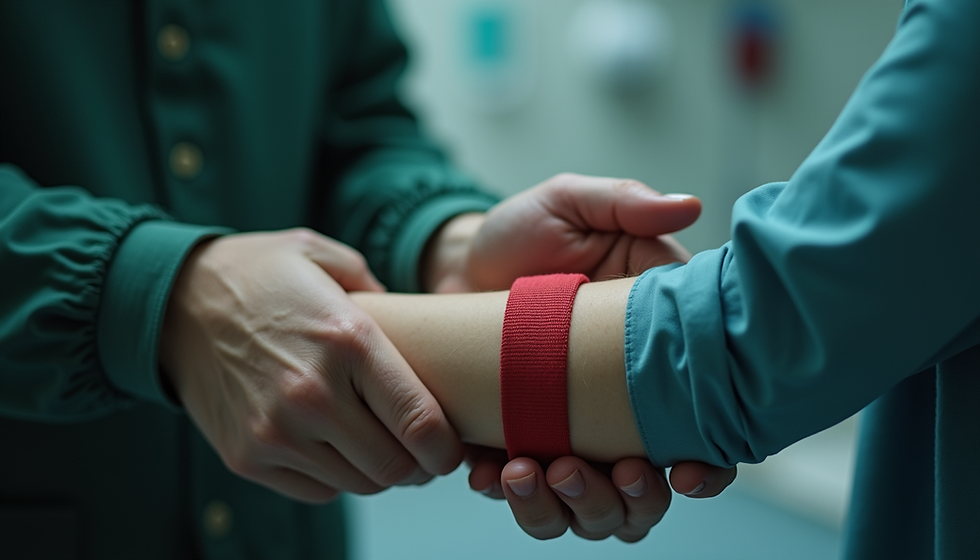
Stop the Bleed Training: a. Specialized programs teaching bleeding control techniques. b. Equipping attendees with the skills to mitigate injuries until professional help arrives.
III. Strengthening Safety Culture:
A. Building Community Awareness:
Viking 6 Tactical emphasizes the importance of a collective approach to safety.
Encouraging open dialogue and engagement within the religious community.
B. Empowering Congregants:
Providing resources for ongoing safety education.
Fostering a sense of responsibility and preparedness among congregants.
In an era marked by unforeseen challenges, the safety of congregants in houses of worship is non-negotiable. Viking 6 Tactical emerges as a reliable partner, offering comprehensive safety assessments and specialized training programs. By focusing on medical emergency response through initiatives like CPR/AED and Stop the Bleed, Viking 6 Tactical ensures that houses of worship are well-prepared to navigate unexpected crises. Through collaborative efforts and a commitment to continuous improvement, religious institutions can create a safer environment, allowing congregants to focus on spiritual growth and community connection.


Comments