


Understanding the Responsibility of Choosing a Firearm for Self-Defense: Questions, Legal and Moral Implications, and the Necessity of Training
- George Rodriguez
- Oct 27, 2024
- 5 min read

Deciding to own a firearm for self-defense is a significant commitment that extends far beyond simply purchasing a weapon. It brings with it a profound responsibility, not only in terms of the law but also morally, as it implies a readiness to use lethal force if necessary. This decision, especially in a state like Florida where specific laws apply, requires serious consideration of the legal implications, a clear understanding of the relevant laws, and ongoing training to ensure responsible use. Below, we’ll discuss questions you should ask yourself before making this decision, examine the legal consequences in Florida, consider moral aspects, and highlight the importance of comprehensive training to manage potential legal challenges.
Questions to Ask Yourself Before Deciding to Own a Firearm for Self-Defense
Choosing to carry a firearm for self-defense is not just about protection; it’s about committing to the immense responsibility that comes with it. Before making this decision, reflect on the following questions:
1. Am I Willing to Use Lethal Force if Necessary?
Owning a firearm for self-defense may mean using it in life-threatening situations. Consider if you are mentally prepared to use lethal force against another person if it comes to protecting your life or that of others.
2. Do I Understand the Laws Around Self-Defense in My State?
The laws around self-defense vary significantly from state to state. In Florida, statutes around justified use of force and the “Stand Your Ground” law play a crucial role. It’s essential to thoroughly understand what is legally permitted in terms of self-defense and under what circumstances lethal force is justified.
3. Am I Ready for the Legal Consequences of a Defensive Shooting?
Even if your actions are within legal bounds, a defensive shooting can result in criminal or civil charges, potentially leading to lengthy and costly legal battles. Are you prepared to handle these legal complexities, and have you considered protections like self-defense insurance?
4. Am I Committed to Ongoing Training and Education?
Responsible firearm ownership means continuous training. Are you willing to regularly practice shooting skills, maintain firearm safety standards, and stay updated on self-defense laws?
5. Do I Understand the Moral Weight of Carrying a Firearm?
Carrying a firearm means acknowledging that your actions, if misinterpreted or misused, can lead to life-altering consequences for you and others. Are you prepared to accept this responsibility?
Asking these questions honestly is critical to making an informed and responsible decision about firearm ownership for self-defense.
Legal Consequences of Firearm Ownership for Self-Defense in Florida
In Florida, the laws governing self-defense are stringent, and it’s vital to be well-informed. Florida operates under a Stand Your Ground law, which allows individuals to use force, including deadly force, if they reasonably believe it is necessary to prevent imminent death or serious injury. Additionally, Castle Doctrine laws apply, permitting the use of deadly force to defend oneself in one’s home or vehicle. However, legal justification is nuanced, and these laws come with strict limitations.
1. Self-Defense Justification: Florida law (Chapter 776 of the Florida Statutes) permits using force for self-defense but mandates that the threat must be immediate and unavoidable. Even under Stand Your Ground, you must be able to demonstrate that your fear of harm was reasonable and imminent.
2. Use of Deadly Force: Deadly force can only be used if you believe it is necessary to prevent death or severe bodily harm to yourself or others. Improper or excessive use of force, even if initially justified, could lead to criminal charges such as manslaughter or aggravated assault.
3. Duty to Retreat vs. Stand Your Ground: While Florida’s Stand Your Ground law removes the duty to retreat in many situations, it’s essential to understand the circumstances where this applies. In some public settings, where you have the option to retreat safely, failure to do so could compromise your legal defense.
4. Civil Consequences: Even if a shooting is deemed legally justified, you could face civil lawsuits from the person injured or their family. Civil cases have different burdens of proof and can lead to financial consequences.
Understanding these legal boundaries and implications is essential, as ignorance is not a defense against the law. Staying current on Florida’s self-defense laws will not only ensure that you act within your legal rights but also help you to protect yourself from legal ramifications.
Moral Consequences and Ethical Considerations
Beyond the legal responsibilities, firearm ownership for self-defense also comes with serious moral implications. The decision to carry a firearm implies that you may one day be faced with taking another life to defend your own. This weight is one that should not be underestimated:
- Valuing Human Life: Even in self-defense, using lethal force means taking a life, which carries a profound ethical responsibility. Reflect on whether you are morally aligned with this decision, and if so, consider the consequences of potentially facing life-long guilt, emotional challenges, or other moral struggles.
- Impact on Others: A defensive shooting can have lasting consequences on family, friends, and communities. Recognize that your actions will affect not only you but also those close to you.
- Considering Alternatives: Have you explored all options, such as de-escalation tactics or less-lethal forms of self-defense? While these may not be viable in every situation, knowing how to avoid escalation can be part of a responsible defense strategy.
When it comes to carrying a firearm, the moral responsibility is substantial, and this requires careful, ongoing reflection to ensure you are prepared to accept these consequences.
The Importance of Training for Skill and Legal Preparedness
Comprehensive training is essential for anyone who decides to carry a firearm for self-defense. Training ensures that you not only handle your firearm safely but also understand how to respond effectively under pressure, which can make a critical difference in life-threatening situations.
1. Safety and Confidence: Training develops your proficiency in safe handling, proper storage, and accurate use of a firearm. Knowing how to manage your weapon instinctively enhances confidence and keeps you prepared in stressful moments.
2. Legal Knowledge and Application: Proper training includes understanding the legal aspects of defensive shooting. By learning when and how to use force legally, you can make informed decisions that stand up to scrutiny if a legal challenge arises.
3. Enhanced Decision-Making: Defensive training goes beyond shooting skills; it teaches situational awareness, de-escalation techniques, and tactical decision-making that can help you avoid confrontations altogether.
4. Preparation for Legal Challenges: In the event of a defensive shooting, there are potential legal proceedings, where your actions will be analyzed meticulously. Comprehensive training programs often include mock scenarios and education on laws that prepare you for how these incidents may be scrutinized, enhancing your ability to defend your actions.
The Value of Professional Instruction
Working with a professional instructor is crucial, as they provide accurate feedback, identify areas for improvement, and ensure that you’re practicing safe and effective techniques. The benefits of training with an experienced professional include:
- Expert Evaluation: Instructors spot mistakes that you may not notice, helping you correct errors that could affect your performance in a high-stress situation.
- Customized Guidance: A professional trainer tailors the training to your skill level, specific needs, and unique situations, ensuring you develop a well-rounded skill set.
- Learning Best Practices: Professional instruction gives you access to industry best practices and up-to-date knowledge on defensive techniques and laws, keeping you informed and prepared.
At
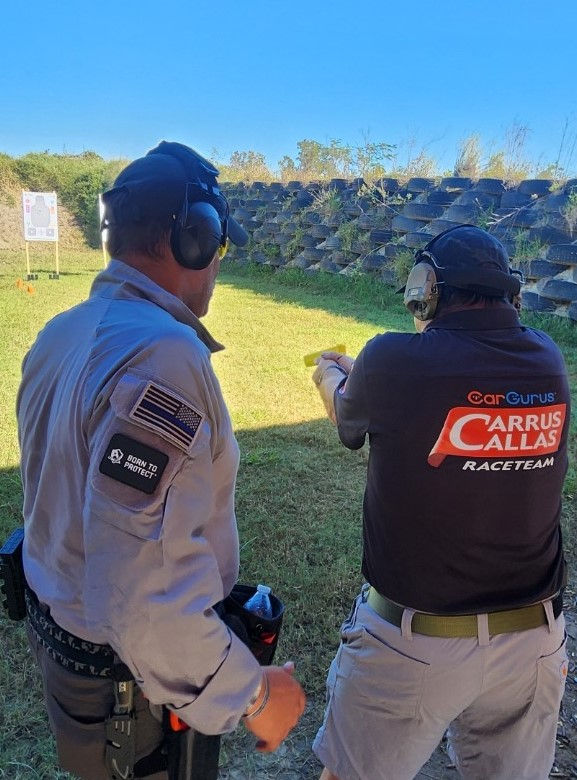
, we emphasize the importance of understanding your responsibilities, preparing legally and morally, and developing proficiency through professional training. With proper guidance, you’ll gain the confidence to carry responsibly, remain legally compliant, and protect yourself in the event of a defensive encounter. Owning a firearm for self-defense isn’t just about having the means to protect; it’s about a lifelong commitment to safety, legal awareness, and ethical responsibility.



Comments